The Weapon Isn't the Power
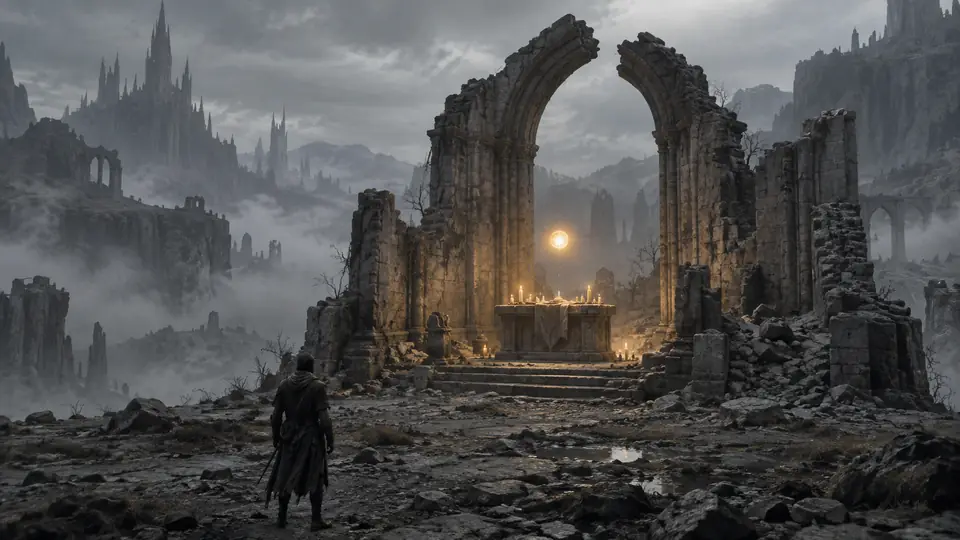
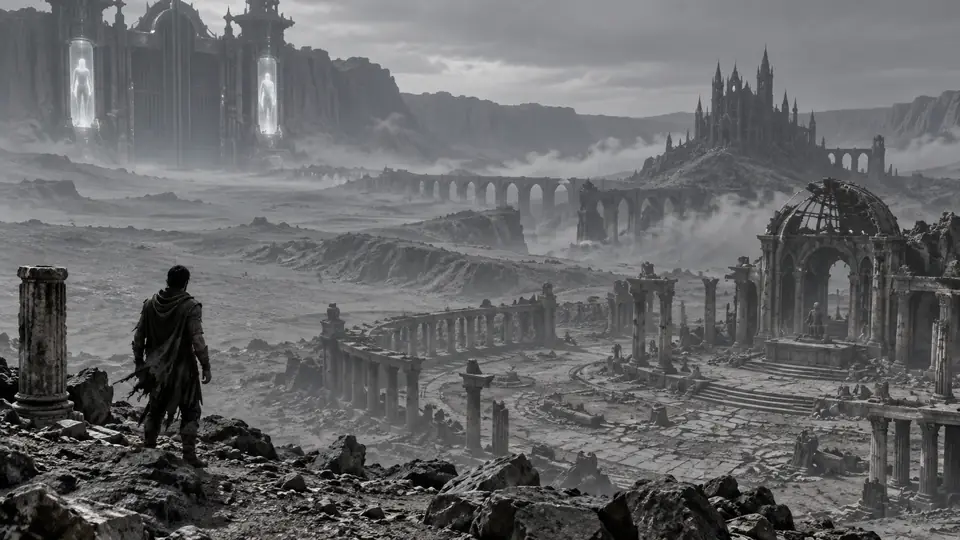
At the beginning of AVERNWAKE, Elias needs his blade. Eventually, he shouldn't. That one idea is shaping how we approach combat.

At the beginning of AVERNWAKE, Elias needs a weapon. Eventually, he shouldn't.
That single idea is shaping almost everything about how we're approaching combat.
The design problem
Archangel Michael can awaken power in Elias, but he cannot give his body experience it has never earned. So the early blade works as a conduit. It lets Elias survive long enough to begin changing, and it keeps the story from handing him instant mastery just because the plot needs him to fight.
Two ways to fight, both earned
Over the journey, the blade improves, and so does Elias. As he learns to channel power directly, fighting with his fists stops being a last resort and becomes something he chooses. The goal isn't "fists replace the sword." The goal is two real combat identities with their own strengths.
Why mechanics should tell the story
If a cutscene says Elias has changed but the controller feels exactly the same, we haven't finished telling the story. Your hands should feel the same progression the narrative describes: early dependence becoming earned competence.
What we're testing now
We're prototyping the basics: movement, attack commitment, hit reactions, enemy telegraphs, reach and camera distance. None of it is final. When we show it, it will be labeled prototype footage.
A question for you
When a game gives you more than one way to fight, what actually makes you switch instead of picking a favorite and ignoring the rest? Tell us at contact@irondaydreamworks.com. We'll treat the answers as design research, not a vote.